She noted that infrastructure collapse has left the current administration unequipped to manage disaster response. "Since Maduro's arrest on January 3, I have lived in terror," she said.
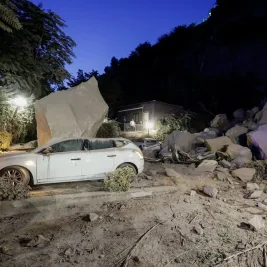
"The humanitarian crisis was already very serious, and the earthquake has aggravated it enormously.
It has also revealed how ill-prepared the Venezuelan government is to meet the needs of its population.
I would be very afraid if he, or any other Venezuelan, were sent back amid so much confusion, pain, destruction, and need."
The physical distance has not lessened the psychological impact on families watching the destruction from U. S.
cities.
New York asylum seeker Yonatan Matheus described the agony of waiting for communication from his vulnerable hometown of La Guaira.
"Several relatives and close people lost their homes, other families lost everything, and many members of my community died.
It is a very difficult feeling to explain: you want to be there to hug, help, and accompany, but you simply cannot," he said.
Records show the U. S.
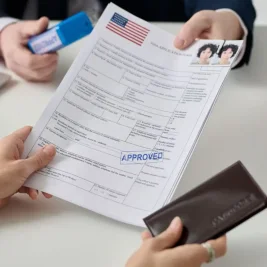
government deported nearly 14,000 Venezuelans last year and currently holds approximately 6,000 in detention facilities.
>>> US Constitution's Great Weakness Exposed by Would-Be Emperor in Washington
On the day of the earthquakes, a deportation flight from Texas returned 147 individuals to Caracas. The majority died after their processing hotel collapsed.