>>> Taylor Fritz Favored to Reach Wimbledon Final from Open Bottom Half
This shift resulted in grassroots local events, allowing citizens to participate directly.
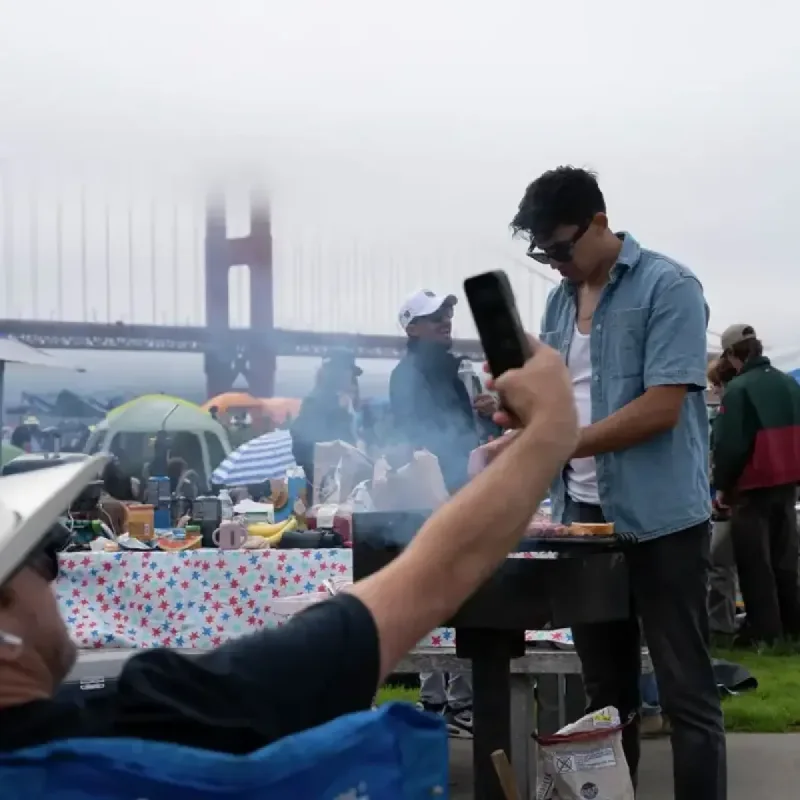
"When I talk to people, they say they went to a local picnic or museum," Rymsza-Pawlowska said.
The flexible environment allowed for deep reflection, paving the way for works like Alex Haley's 'Roots.'
This cultural mood persisted despite economic challenges like the 1973 oil shock.
"There was uncertainty about the economy, but people felt good about the political situation," said historian James Robenalt.
Robenalt described the political difference between eras as "night and day," noting opponents were not seen as enemies.
"Your political opponents today are really seen as enemies; back then, they were political opponents," he said.
McKean draws parallels to the 150th anniversary in 1926, marked by nativism and inequality after the Spanish flu pandemic.
"We had just gone through a major pandemic, not dissimilar from Covid," McKean said, noting immigration quotas signed by Calvin Coolidge.
Other anniversaries like 1876 occurred during dark times with military conflicts and disputed elections.
"We didn't have full-fledged democracy then, and we made progress in the 1960s and 70s, but now we're seeing rollbacks," McKean said.
>>> Gaza Musicians Reopen Shattered Conservatory in Seaside Tents
"Yes, democracy is under siege, but we've seen that before," he concluded.