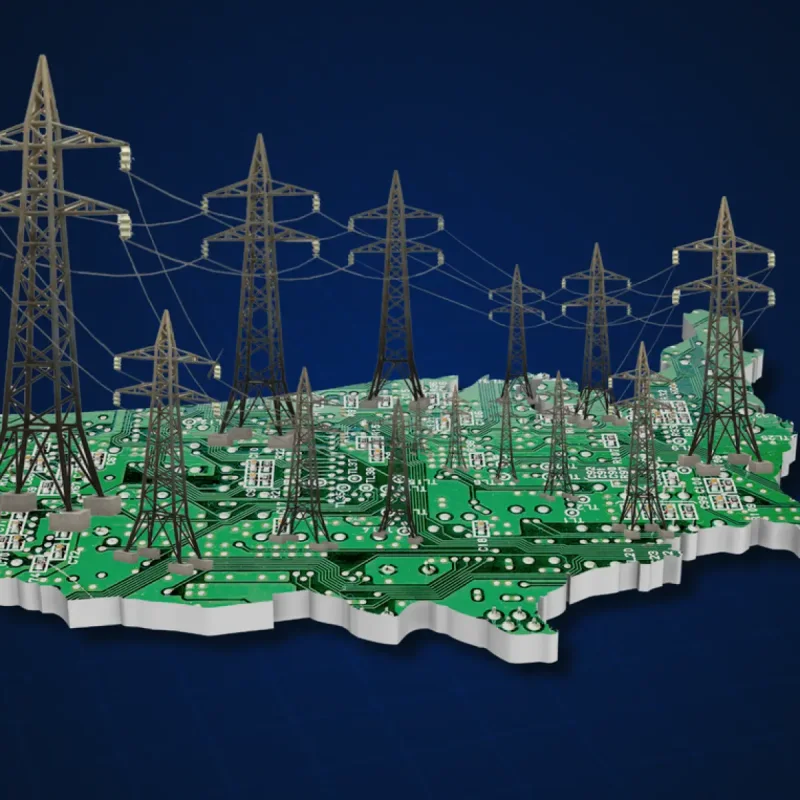
While Cuba has invested in solar energy to mitigate the chronic shortages, alternative sources currently account for only 10 percent of the nation's total energy mix.
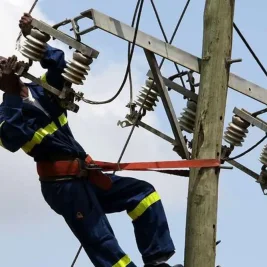
The aging power infrastructure relies heavily on deteriorating Soviet-era thermoelectric plants that lack the necessary fuel to operate.
Residents Express Distress
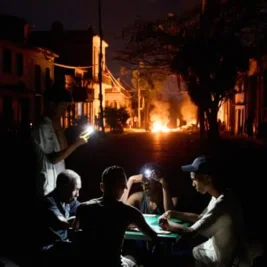
Amid the blackouts, Havana residents expressed growing distress over their daily survival and the inability to access basic services.
Self-employed social media community manager Meyboll Font described the severe impact of the outages on local neighborhoods.
"Living like this is agony," said Font, a 51-year-old resident.
Font noted that her neighborhood had been receiving only three to four hours of electricity daily before the total grid failure occurred.
Other residents in the capital expressed immediate concern over food preservation and basic cooking capabilities.
>>> Penelope Cruz Recalls Terrifying Midair Emergency with Salma Hayek While in Clown Costumes
"I just told my dad that we have to buy charcoal because otherwise we won’t eat and we’ll starve," said 36-year-old Lina May.
The lack of electricity has also halted municipal water pumps and domestic gas distribution.
"We’re without power again," said Richard Valdés, 40. "Now we have no water, no gas, nothing until they restore it."
Many citizens expressed resignation regarding the systemic infrastructure issues.
"Oil hasn’t come in here for a while, and we have no way to solve the problem," said Mario Pedroso, a 33-year-old Havana resident.
"We have to resist, as we Cubans say. That’s all."
Geopolitical tensions remain high as the U. S.