The U. S.
Food and Drug Administration has classified a nationwide recall of levothyroxine sodium tablets as a Class II action.
The decision came on July 17, 2026, after routine stability testing showed the thyroid medication was less potent than expected.
Manufactured by Lupin Pharmaceuticals, Inc., the subpotent tablets were distributed across the United States by Major Pharmaceuticals and Cardinal Health.
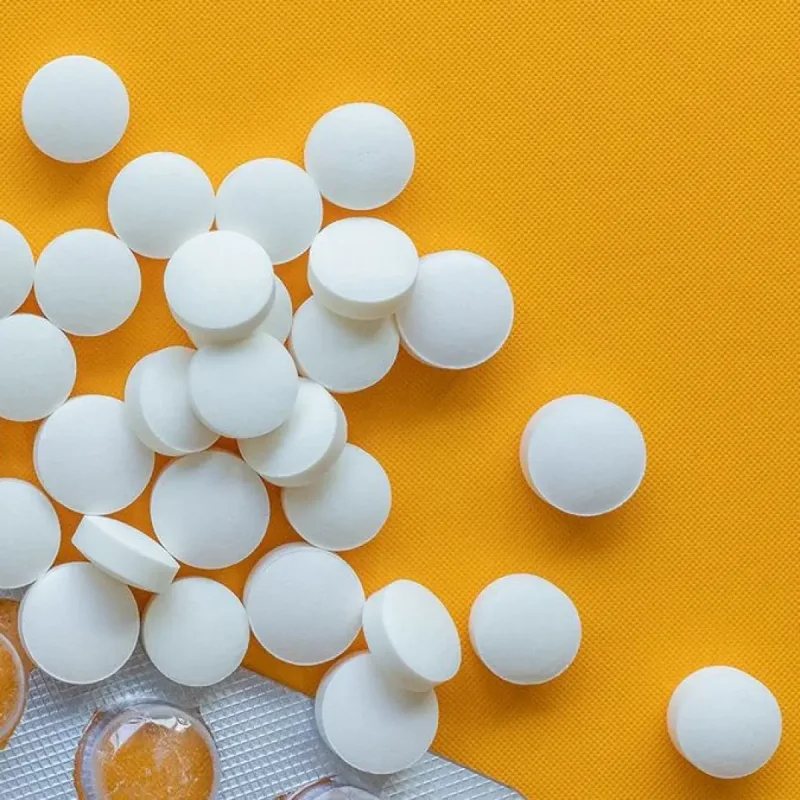
The voluntary recall affects 100-tablet cartons and unit-dose blister packs across seven dosages ranging from 25 to 150 micrograms.
Expiration dates stretch from July 2026 to January 2027.
Recall Initiation and FDA Classification
Major Pharmaceuticals initially notified its wholesale clients on July 10, 2026, that the recall was initiated due to out-of-specification assay results, which measure active drug content.
The distributor instructed wholesalers and retailers to quarantine the products and notify downstream customers.
An FDA Class II designation signifies that exposure to the recalled drug may cause temporary or reversible adverse health issues.
The probability of severe consequences remains remote.
Both federal regulators and health officials emphasized that the recall is targeted at the retail level, meaning pharmacies are not required to proactively contact individual patients.
David Cutler, MD, a family medicine physician at Providence Saint John’s Health Center in Santa Monica, California, noted that taking a weaker dose could potentially lead to symptoms of lower thyroid function.
However, serious long-term harm is unlikely because physicians routinely monitor patient hormone levels through routine blood tests every three to six months.