The escalation also coincides with political timelines ahead of the Russian presidential elections in mid-September.
Kyiv aims to counter Kremlin efforts to maintain a sense of normalcy, while analysts highlight potential military decisions following the vote.
Russia analyst Hubert Smeets noted that rumors suggest Russian President Vladimir Putin may announce a general mobilization after the polls close.
"He has never dared to do that until now because it invokes a lot of resistance," Smeets said.
"He cannot lose this war. That would mean the end of the regime.
But he can only announce that mobilization after the election, otherwise no one will come to the polling station."
The urgency of the campaign is driven by fears of repeated winter infrastructure attacks, as Russian missile strikes continue to target major Ukrainian cities, particularly Kyiv.
"Ukraine is in a hurry, because it cannot afford another winter like last year," Smeets said.
"Where major power plants and gas stations no longer work because of Russian bombardments."
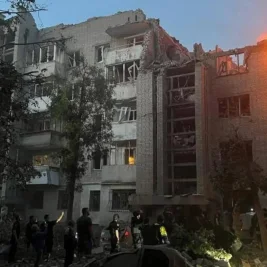
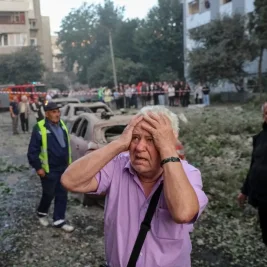
Residents in Kyiv report an increased frequency of incoming ballistic missile strikes as Russian forces ramp up retaliatory bombardments.
"They fire ballistic missiles at us very often," a city resident said.
"At first that happened once a week or less, but now every day or every other day."
To maintain its defensive capabilities, Ukrainian leadership sought additional air defense systems during visits with U. S.
officials in Washington.
Ukrainian President Volodymyr Zelensky requested a winter emergency package including Patriot interceptor missiles to protect critical infrastructure against ballistic threats.