Gas prices have spiked nearly 46 percent between January and April 2026, from $2.81 to $4.10 per gallon, according to a new iSeeCars study.
The national average has since climbed to $4.52 for regular gas as of late May.
The analysis of over 2.1 million used vehicles shows that traditional gas-powered owners now pay an average of $706 more per year in fuel costs.
Meanwhile, EV owners saw their annual charging costs rise by just $11, from $714 to $725.
Hybrids and Plug-ins Feel the Pinch, Too
Hybrid vehicles experienced a $486 increase in annual fuel costs, while plug-in hybrids saw a $291 rise.
Despite the smaller hit compared to pure gas vehicles, hybrids still face higher expenses than EVs.
The study highlights that mileage plays a major role.
Minivans, which log high annual miles, saw the biggest segment increase of $1,139, pushing their annual fuel cost to $3,610.
Trucks followed with a $992 jump, and SUVs rose by $681.
Top 10 Vehicles Hit Hardest
Large SUVs dominate the list of vehicles with the largest fuel cost increases.
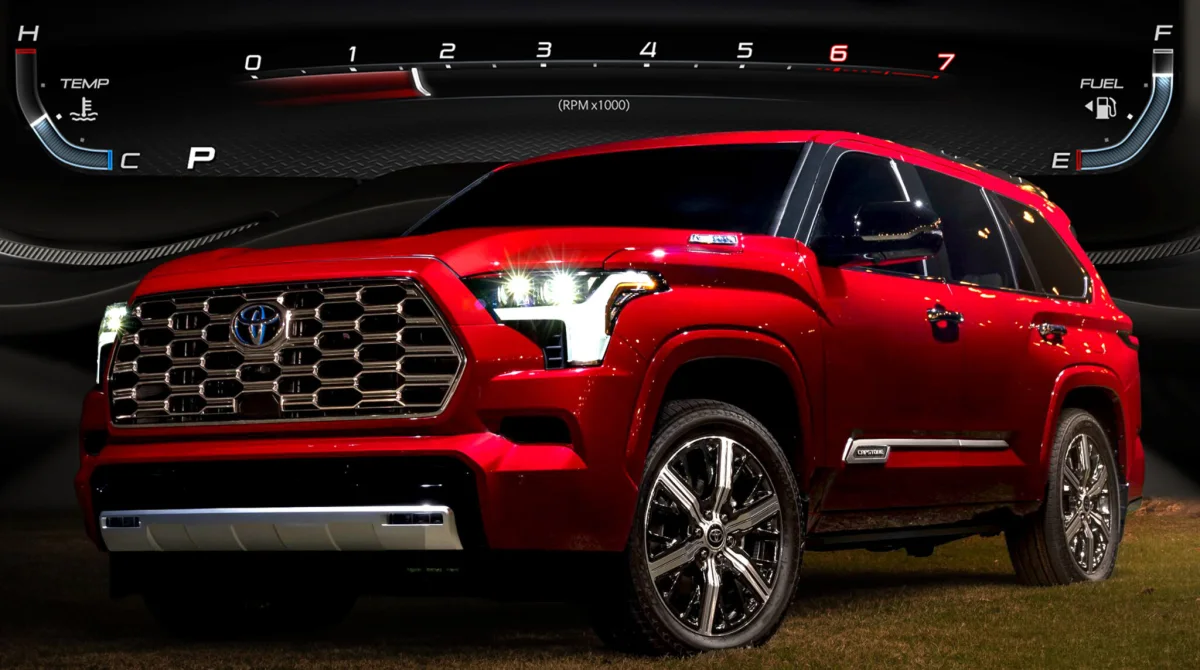
The Toyota Sequoia tops the chart with an additional $1,623 per year, followed by the Chevrolet Suburban at $1,542 and the Nissan Armada at $1,513.
- Toyota Sequoia: $1,623 increase
- Chevrolet Suburban: $1,542 increase
- Nissan Armada: $1,513 increase
- GMC Yukon XL: $1,471 increase
- Chevrolet Tahoe: $1,317 increase
- Cadillac Escalade ESV: $1,312 increase
- GMC Yukon: $1,304 increase
- Jeep Wagoneer: $1,282 increase
- GMC Sierra 1500 Limited: $1,277 increase
- Chrysler Pacifica: $1,236 increase
The data underscores why hybrids are gaining popularity, as they offer a middle ground between fuel savings and avoiding EV charging concerns.
With gas prices volatile, the gap between EV and gas vehicle ownership costs continues to widen.