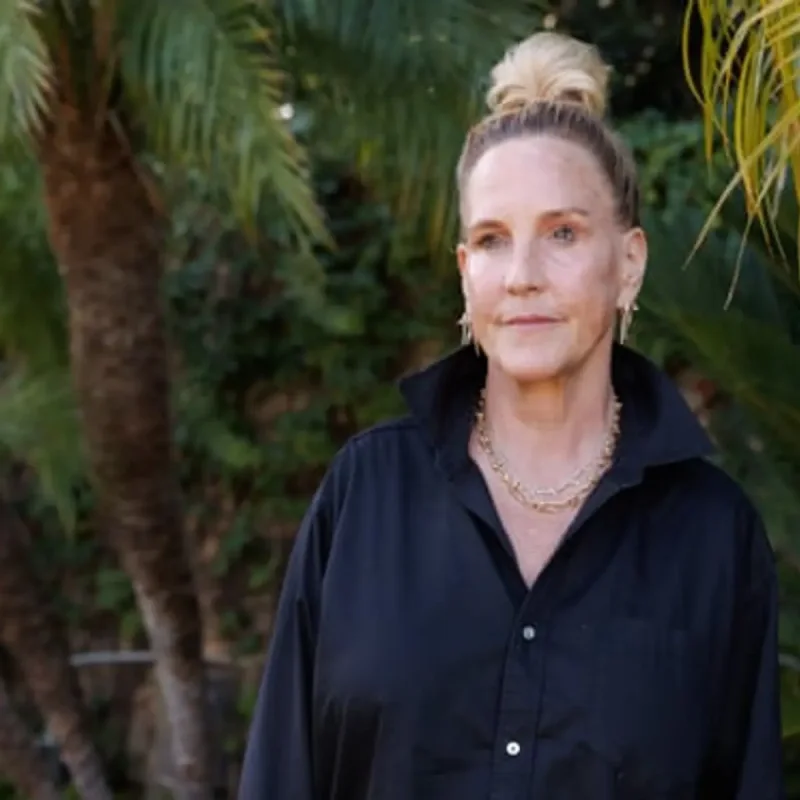
When Erin Brockovich woke to 30 emails from residents of the same town, she knew something was wrong.
Within a month of putting a callout on her website, nearly 4,000 people had contacted her about datacenters being built near them.
Brockovich, who won a $333 million settlement against Pacific Gas and Electric in 1993 over groundwater contamination, says the scale of new AI datacenters dwarfs anything she has seen before.
"This feels like Hinkley on steroids," she told The Guardian.
Massive Expansion, Little Transparency
Tech companies have long needed datacenters, but those built to power artificial intelligence are far larger. Brockovich notes they cover "hundreds and hundreds of acres."
In May, Utah approved a center twice the size of Manhattan.
Many residents learn about projects only after construction begins. "Why did I not know about this?"
they ask. Developers often sign nondisclosure agreements with local officials, hiding environmental assessments.
Brockovich built a map of significant U. S.
datacenters, overlaying locations where people have emailed concerns. The document shows dozens of centers advancing through various stages.
A recent headline asked: "If data centers are so great, why are they being built in secret?"
Strain on Resources and Communities
Two-thirds of planned U. S.
datacenters sit in drought-stricken areas, consuming millions of gallons of water daily for cooling. Residents report bill spikes and power surges.
"People are asking: 'What will happen to us?'" Brockovich says.
The noise is relentless. "It's humming, it's hissing, it's buzzing," neighbors write.
One letter described going "insane 24/7." Wildlife disappears, and dead animals appear near sites.
Residents worry about bald eagles nesting nearby.
When local councils try to pause projects, developers sue for hundreds of millions of dollars. In Hill County, Texas, commissioners backed down after a massive damages lawsuit.
"They cannot withstand that," Brockovich explains.
Brockovich, now 66, traces her commitment to her Kansas roots. Her father, who built pipelines, told her water would become more valuable than gold.
"Good stewardship is an obligation," she recalls him saying.
She calls for environmental impact reports and town hall meetings before any ground is broken.
"Let's get that information first and then have a town hall meeting where the people can be a voice in it."
While tech figures propose offshore barges or space-based centers, Brockovich focuses on immediate realities. Lawsuits now settle for billions, she notes.
"This is a planetary thing," she says, urging communities to show courage against well-funded opponents.