
The regime is equipped to obstruct and repress its people, but not to aid them.
As the political scientist Orlando J Pérez wrote: “Disasters force a government to show what it can actually do, and what it has been doing all along with public money.”
That can profoundly shape a country’s political trajectory.
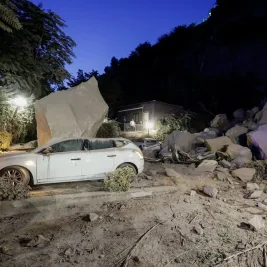
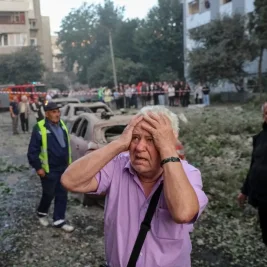
>>> Magnitude 4.6 Aftershock Rattles Venezuela as Earthquake Death Toll Passes 1450
Years of state mismanagement, kleptocracy and US sanctions have left 80% of Venezuelans in poverty and driven a quarter of the population to flee.
Its annualised inflation rate stands at over 600% – the world’s highest. The health system is on its knees.
The Trump administration’s illegal seizure of the then president, Nicolás Maduro, in January left the regime standing, but the country in political disarray.
The US president promised that his actions would “unleash prosperity” in Venezuela; his priority is opening the country up for private investors and managing its oil sales.
In typically crass style, Mr Trump declared that outside the disaster zone “people are dancing in the streets”.
But while many wanted Mr Maduro to go, Ms Rodríguez’s deal with the US has destroyed his party’s remaining ideological foundation – anti-imperialism – and undone the 1976 nationalisation of the oil industry.
Anger on the left is matched by frustration among those opposed to the regime at the US deal with Ms Rodríguez, who was Mr Maduro’s deputy, and its continued snubbing of the exiled conservative opposition leader María Corina Machado.