Japan is adopting two-tier pricing strategies at major historical landmarks and tourist hotspots to manage a surge in overseas visitors and address overtourism concerns.
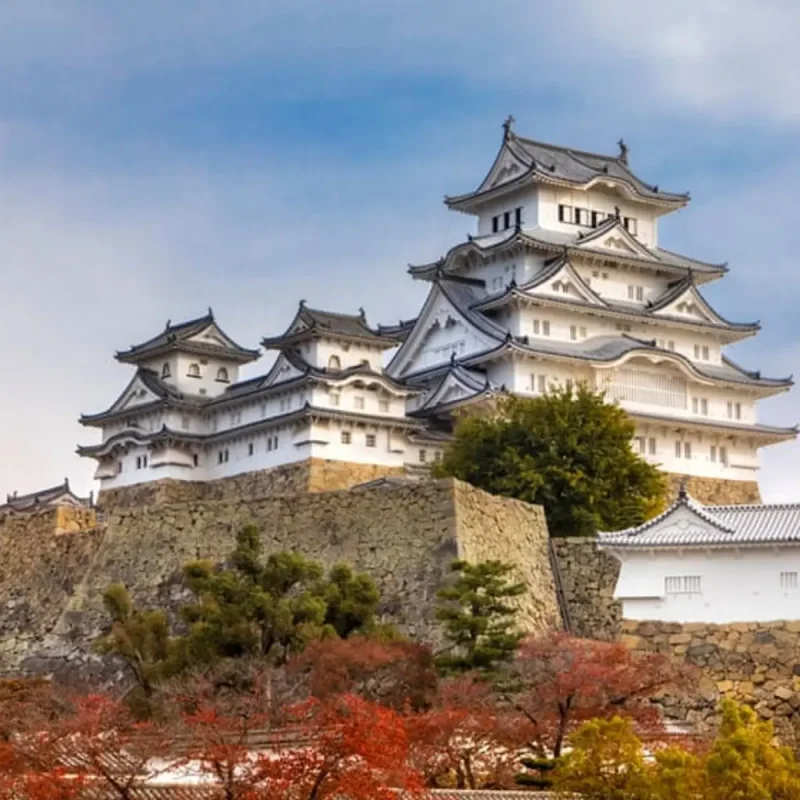
Himeji Castle, a UNESCO World Heritage site, raised admission for non-residents to 2,500 yen ($15.50) on March 1, while local residents pay 1,000 yen ($6.20).
The move led to a 17% drop in admissions in the first month, but ticket revenues more than doubled.
Kensuke Tsushi from the castle's management bureau said the pricing is seen as a flat rate with a discount for city residents who show ID.
International visitors to Himeji reached 547,000 last year, up from 387,000 in 2018, with forecasts of 1.2 million annual arrivals.
Pushback mainly came from domestic tourists outside the municipality, not international travelers.
Tsushi explained that some Japanese visitors question why only Himeji residents get a discount for a national treasure funded by national tax.
To avoid appearing exclusionary, some regions are raising rates for all visitors who reside outside the immediate locality.
Japan is also increasing its international departure tax to 3,000 yen ($18.55) and visa fees fivefold to 15,000 yen ($93).
Kyoto authorities are reviewing options to increase bus fares for non-residents to ease transit congestion.
Differentiated pricing is already common in Nagano, where non-residents pay higher fees for ski passes and hot springs.
Nagano resident Yoko Fujihara noted that some onsens charge non-residents 200 yen ($1.25) more, which she finds reasonable as locals use them daily.
The Agency for Cultural Affairs has authorized higher entry fees for overseas tourists at state-run museums.
Junglia Okinawa theme park offers single-day passes at 6,930 yen ($43) for domestic residents and 8,800 yen ($54.45) for international visitors.
British traveler Lauren Kelly expressed reservations, calling dual pricing "segregating" in a mature economy.
Overseas tourist arrivals in Japan surpassed 42 million last year, prompting a target of 60 million annual visitors by 2030.
International visitor spending surged 16% in 2025 to a record 9.5 trillion yen ($59 billion).
The Japan Tourism Agency expanded its budget by over 700% to 10 billion yen ($62 million) for counter-overtourism technology, including AI crowd-detection cameras and smart waste bins.
Two-tier pricing is widely used across Asia, including India's Taj Mahal and Cambodia's Angkor Wat.
The trend is expanding to Europe; Paris's Louvre museum raised entry fees for non-European Economic Area residents by 45% to €32 ($36.40) in January.
Fujihara acknowledged potential financial pressures on domestic travelers but emphasized the economic contributions of inbound tourism.