"Maybe the most important of all, because it's so corrupt," said Donald Trump, former U. S.
President.
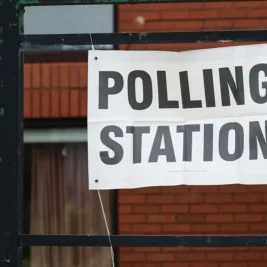
Despite this push, lawmakers from rural states expressed concern that a blanket ban would negatively impact areas with limited physical polling infrastructure.
"Listen, absentee ballots are not a bad thing historically as long as you put some kind of structure on it," said Rep.
>>> Mavericks, Warriors, Heat Vie for Free Agent Guard Anfernee Simons
Mark Amodei, R-Nevada.
Amodei expressed satisfaction with a recent Supreme Court ruling that struck down executive attempts to restrict the counting of certain postmarked ballots, noting that mail-in voting functions well with proper safeguards.
"It says mail-in voting in and of itself is not evil. … There ought to be some mechanism for you to do that," said Amodei.
Rep.
Julie Fedorchak proposed a separate bill to integrate parts of the election package into a budget reconciliation measure but warned against total prohibitions.
"We're a rural state," said Rep. Julie Fedorchak, R-North Dakota.
Fedorchak indicated that while mail-in voting concerns are valid, the appropriate path forward involves implementing commonsense reforms rather than outright bans.
"I understand the concerns about mail-in voting … but I think the solution that I'm in favor of is restricting it and creating these commonsense reforms for it," added Fedorchak.
Johnson echoed these rural concerns, identifying states like Alaska as places where geographical challenges make mail-in voting a secure and effective necessity.
"Very difficult to get to a ballot box, and so they use mail-in ballots very effectively, and I think securely, and that's something that has to be contended with," said Johnson.
>>> Wild Trade Middleton to Flames for Coleman, Maatta
The Speaker differentiated these systems from what he described as administrative abuses taking place in several democratic-leaning states.