European allies have rapidly filled defense vulnerabilities created by recent U. S.
military cutbacks ahead of the upcoming NATO summit in Ankara, Turkey, scheduled for July 7 and 8, 2026.
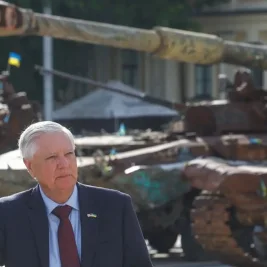
NATO's Supreme Allied Commander Europe, U. S.
General Alex Grynkewich, confirmed on Friday that European member nations scoured their inventories to provide alternative assets after the Pentagon abruptly scaled back its crisis-response military contributions to the continent.
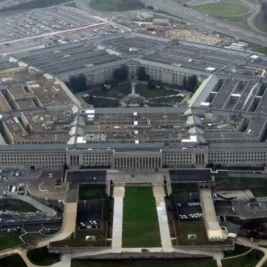
The American reduction, announced on June 3, removed a U. S.
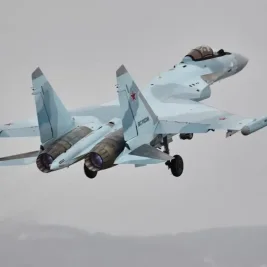
aircraft carrier, support ships, aerial refueling planes, and dozens of fighter jets from availability under the NATO Force Model, which dictates asset deployment during conflicts.
"In a matter of weeks, European Allies have largely filled the gaps left by U. S.
reductions to the NATO Force Model," said Gen. Alex Grynkewich.
The commander noted that alternate capabilities are being evaluated to establish matching effects in the remaining areas where direct European replacements do not currently exist.
Transatlantic Tensions and Rebalancing
The defense adjustments occur amid heightened transatlantic tensions following critical public statements by U. S.
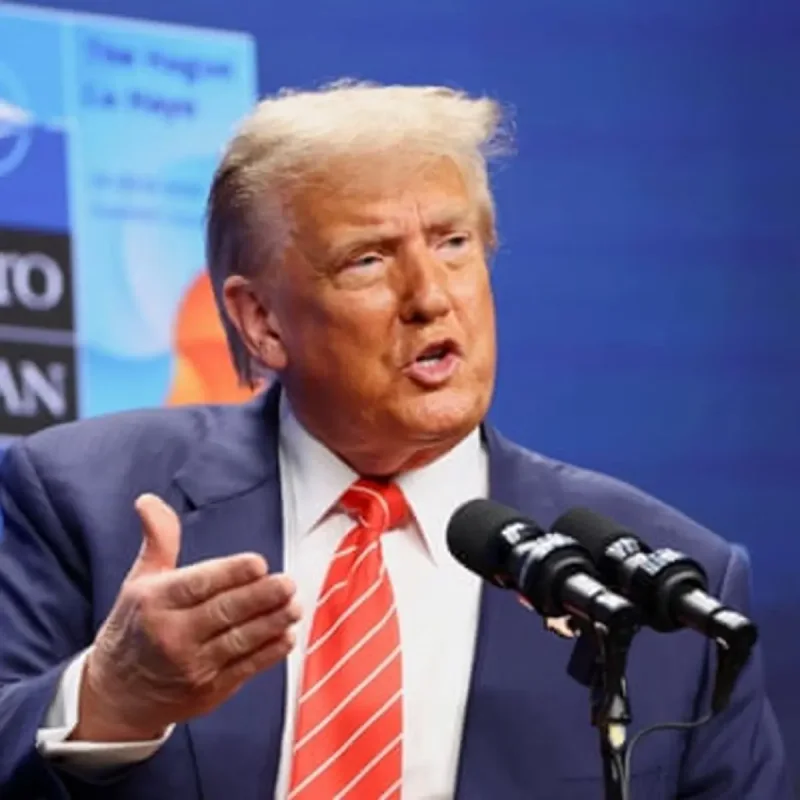
President Donald Trump regarding the financial imbalance within the 32-member alliance.
In a social media post on Thursday, Trump argued that American defense expenditures disproportionately protect European nations without yielding reciprocal advantages to the United States.
NATO Secretary General Mark Rutte has consistently downplayed the strategic impact of the administrative shifts, maintaining that European nations are actively increasing their defense outlays to rebalance the alliance.
"The summit next week will focus on turning extra spending into combat-ready capabilities, and significantly scaling up our defence industries," said Mark Rutte.
Rutte emphasized that European allies and Canada are assuming greater conventional defense responsibilities while preserving the core transatlantic structure of the alliance.
"NATO is, and will always be, a transatlantic alliance but we need to rebalance it for the better," said Rutte.
The Secretary General further noted that the rebalancing initiatives are focused entirely on structural execution rather than the static physical location of active forces.
Rutte previously reported that European members and Canada raised their collective defense spending by $90 billion in 2025, bringing the total regional expenditure to over $570 billion.
"This is not about where forces and assets are currently located," said Rutte. "It's about who would do what if our defense plans were activated.
So, let's say in case of an Article 5 situation."
Diplomats acknowledge that while European capitals have met their airspace and base access obligations, underlying disagreements regarding recent U.
S. military operations in Iran continue to stress diplomatic ties.
An anonymous European diplomat described the alliance as functionally operational but visibly strained by the geopolitical friction of the past 12 months.
"The alliance is alive and kicking but a bit bruised," said the diplomat.