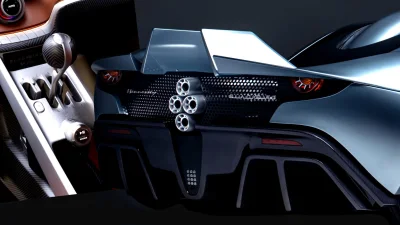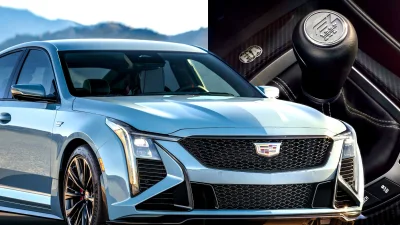
A new study from Japan suggests that driving a manual transmission car may offer cognitive benefits that automatics cannot replicate.
The research comes from Professor Ryuta Kawashima of Tohoku University, the neuroscientist behind Nintendo's Brain Age series.
According to a report by Best Car Web, the study found that the physical sequence of operating a manual gearbox lights up the prefrontal cortex, the brain region responsible for memory, attention, and decision-making.
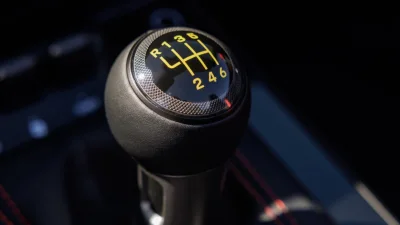
Coordinating tasks like reading traffic speed, depressing the clutch, selecting a gear, and metering the throttle demands a level of engagement that holds the driver's attention continuously.
In a rapidly aging country like Japan, this daily mental workout may help preserve cognitive function in a way that passive driving in an automatic or semi-autonomous vehicle cannot match.
Manual Transmissions Are Dying Out
Despite the potential benefits, manual transmissions are increasingly rare. In Japan, they account for just 1% to 2% of new car sales.
The remaining holdouts are mostly entry-level kei vans and trucks, such as the Honda N-Van, Daihatsu Hijet, and Suzuki Carry and Every, which still offer a manual gearbox with a 660cc three-cylinder engine.
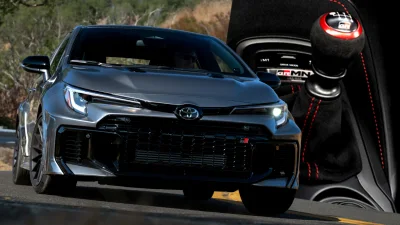
Mainstream models like the Toyota Corolla and Honda Civic now come exclusively with CVTs due to hybrid powertrains, with only hot-hatch versions retaining a manual option.
Even the new Honda Prelude, a coupe with a sporting heritage, arrives automatic-only and uses simulated gear changes to mimic engagement.
Kei cars represent the last line of defense for the manual transmission in Japan.
If automakers continue to offer them with three pedals, the country may preserve a driving experience that the rest of the industry has been phasing out.