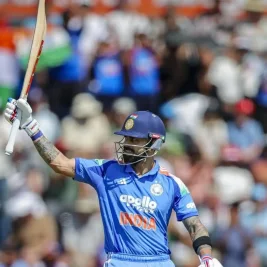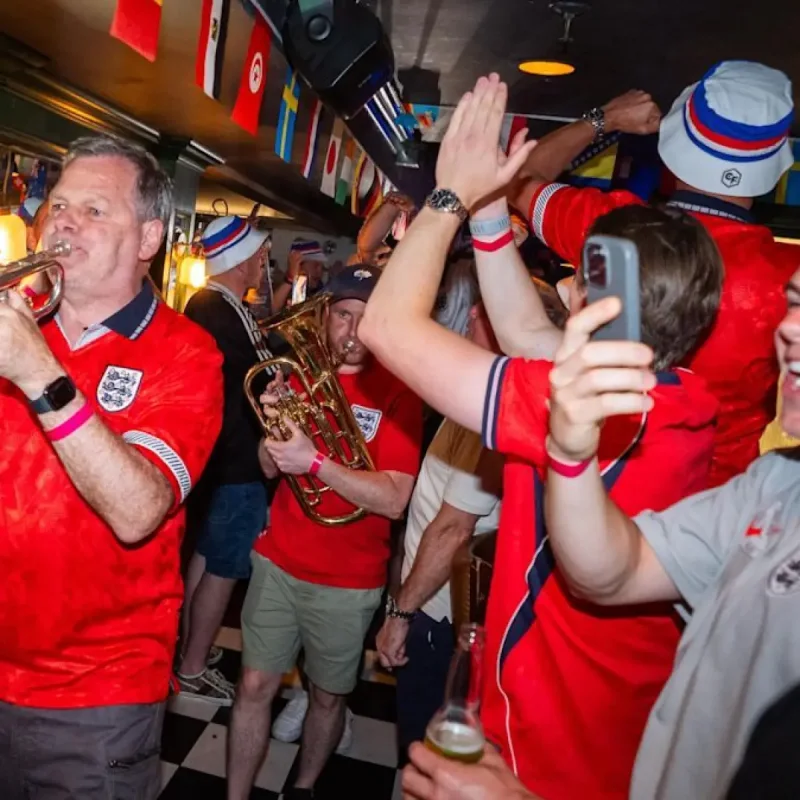
Japan and Morocco are set to challenge football's traditional powers in the World Cup knockout stage, facing Brazil and the Netherlands respectively.
Both underdogs have shown they can compete with the best, raising hopes of a shift in the sport's established order.
Morocco's Diaspora and Academy System
Morocco reached this stage by leveraging its global diaspora, with 19 of its 26 players born abroad. Most honed their skills in top European youth academies.
Local development is also growing through the state-funded Mohammed VI football academy near Rabat, which has expanded to four additional cities.
To progress, Morocco must neutralize the physical presence of Brian Brobbey. The matchup between Achraf Hakimi and Cody Gakpo will be critical.
Japan's Domestic System and Style
Japan's domestic system thrives through the successful J League, producing technically proficient players who adapt easily to elite European tiers.
Under coach Hajime Moriyasu, the team has developed a distinct style characterized by organized pressing waves and precise possession play.
Japan faces a psychological hurdle, having never won a World Cup knockout game. However, a recent friendly victory against Brazil provides confidence.
The Brazilian squad under Carlo Ancelotti relies heavily on individual brilliance from stars like Vinícius Júnior, despite noticeable flaws in team cohesion.
Japan could counter this by dominating the midfield, potentially boosted by the return of creative playmaker Takefusa Kubo from injury.
Historically, the possibility of a non-traditional champion has risen since Cameroon reached the quarter-finals in 1990, followed by Olympic gold wins for Nigeria and Cameroon.
This tournament offers two significant chances for an outsider to advance.