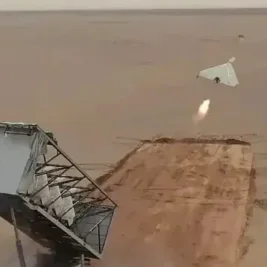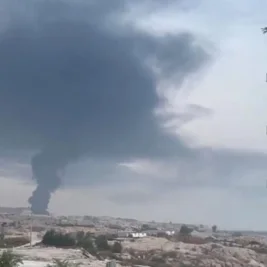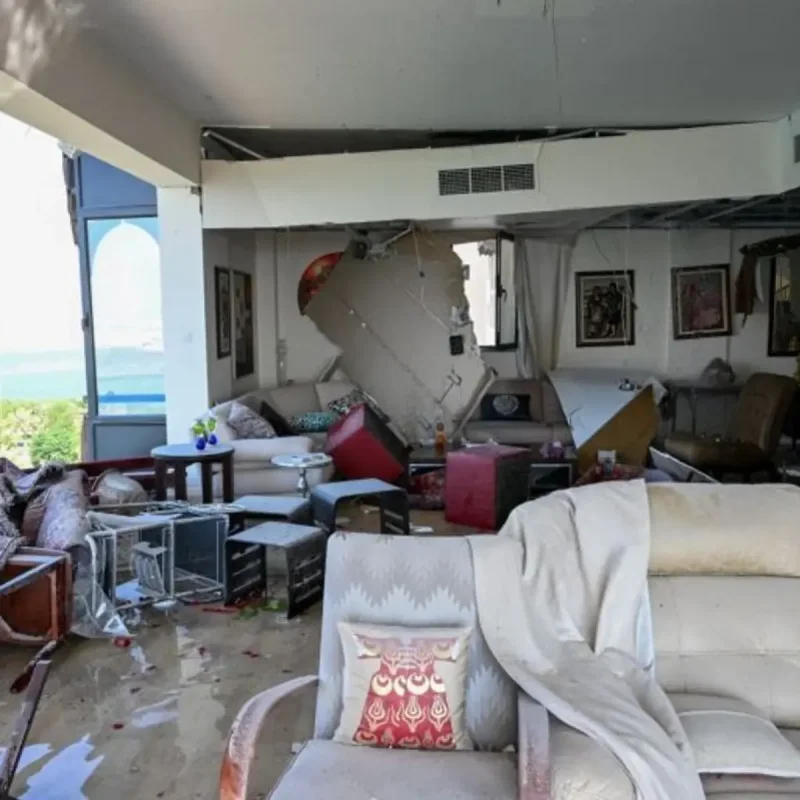
Iran launched ballistic missiles and drones at United States military bases in Kuwait and Bahrain on Sunday, June 28, 2026, severely straining a fragile ceasefire after Washington struck multiple Iranian targets the previous day.
The Islamic Revolutionary Guard Corps targeted the US Ali Al Salem airbase in Kuwait and the US Fifth Naval Fleet at Port Salman in Bahrain.
The operation came in retaliation for American strikes on 10 military sites near the Strait of Hormuz, which followed an Iranian drone assault on a commercial oil tanker.
A US official reported to Reuters that the situation remains fluid, though no American casualties or significant infrastructure damage have been confirmed.
Both Kuwait and Bahrain condemned the operations as flagrant violations of national sovereignty, while maritime security agencies reported that commercial vessels in the strategic waterway had sustained damage.
The military escalations directly threaten the 14-point ceasefire agreement brokered by Pakistan on June 17, which gave both nations a 60-day window to negotiate a permanent end to the conflict.
US Central Command Confirms Retaliatory Strikes
United States Central Command stated that its naval and air forces conducted the retaliatory strikes against Iranian surveillance infrastructure, communication systems, air defense sites, and drone storage facilities.
"Conducted strikes tonight on 10 Iranian military targets at multiple locations in and near the Strait of Hormuz," stated US Central Command.
American military officials maintained that the operations were a necessary defensive response to protect international shipping lines following the attack on the Panama-flagged Kiku oil tanker.
"Iran was given a chance to honor the ceasefire agreement but elected not to," stated US Central Command.
The military command reiterated its stance on the necessity of safeguarding regional maritime commerce, calling the strikes "in direct response to continued Iranian aggression against commercial shipping."
The Islamic Revolutionary Guard Corps confirmed its joint missile and drone operations against eight total regional sites on Sunday morning, warning of severe consequences if American operations persist, vowing a "crushing response."
Iranian military leadership further warned that continued American hostility would dismantle the ongoing diplomatic talks initiated in Switzerland, leading to "the complete halt of all diplomatic processes."
The Iranian Ministry of Foreign Affairs strongly criticized the American strikes on its coastal monitoring facilities, labeling them a breach of bilateral understandings and international law, calling them "brutal attacks."
Tehran officials stated that the military actions by the United States proved a disregard for established international treaties, saying Washington "does not place the slightest value and credibility on its commitments."
The ministry concluded its official response by asserting its right to territorial self-defense against "US military aggression."
US President Donald Trump issued a stern warning on social media on Saturday evening regarding the breakdown of the interim peace agreement.
"There may come a point when we are no longer able to be reasonable, and will be forced to militarily complete the job that we very successfully started," posted Donald Trump.
The American president suggested that further escalation could lead to terminal consequences for the Iranian government.
"If that happens, the Islamic Republic of Iran will no longer exist!" posted Donald Trump.
Independent defense analysts warned that while neither Washington nor Tehran desires a full-scale war, the localized strikes carry immense peripheral danger.
"There is a risk that this might happen unintentionally," said Wolfgang Pusztai, a defense analyst.
Pusztai noted that unintended casualties or direct hits on sensitive locations could cause the situation to spiral rapidly.
"If there are some hits in residential areas, if a larger number of civilians are getting killed in the Arab Gulf states, if an American base is hit severely so that the American soldiers are killed, this might easily get out of control," said Wolfgang Pusztai.
The International Maritime Organization has suspended its planned vessel evacuations in the Strait of Hormuz following the consecutive drone strikes on commercial shipping infrastructure.