Conflicting interpretations of a newly signed interim peace agreement triggered a series of retaliatory military strikes between the United States and Iran in the Persian Gulf region on Sunday, June 28, 2026.
The escalation began after multinational maritime efforts attempted to expand shipping routes near Oman without direct Iranian oversight.
Maritime traffic dropped from 70 transits on Wednesday to 40 on Saturday, according to Windward AI.
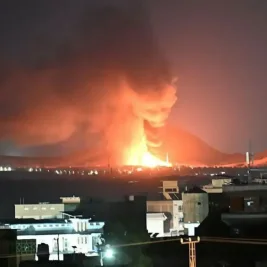
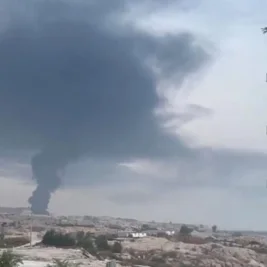
Iranian forces targeted Kuwait and Bahrain with drones and missiles following US airstrikes on Iranian surveillance infrastructure, communication systems, air defense sites, drone storage facilities, and minelayer capabilities.
Kuwaiti air defenses intercepted two ballistic missiles over a major US army base with no reported casualties, while an Iranian strike in Bahrain damaged an eight-story residential building near the international airport.
Dispute Over Article 5
The current hostilities put both nations back toward open conflict just 10 days after signing a 14-point memorandum of understanding on June 17, which included maritime transit guidelines under Article 5.
The dispute centers on Article 5 of the memorandum, which governs the immediate reopening of the strategic shipping lane for a 60-day period.
"Iran will make arrangements using its best efforts for the safe passage of commercial vessels with no charge for 60 days only from the Persian Gulf to the Sea of Oman and vice versa," Article 5 says.
Iranian Foreign Minister Abbas Araghchi stated during a visit to Baghdad that Tehran maintains exclusive administration over the strategic waterway.
"The Strait of Hormuz remains under the total oversight and management of Iran through the 30 coming days, and after all obstacles are removed, the total capacity of the waterway will be restored.
This is what we are working on," said Araghchi.
Araghchi added that unilateral interventions from outside parties would only delay the reopening of the shipping lane.
"This responsibility rests on the Islamic Republic of Iran. There is no other party or state in this respect.
This is totally clear under the memorandum of understanding, and any intervention or any unilateral action will result in exacerbating the situation and also delay the reopening of the strait," Araghchi said.
US President Donald Trump issued a stern warning to Tehran on social media following the latest round of military engagements.
"Struck Iranian missile and drone storage locations, and coastal radar sites, for violating the Cease Fire Agreement, AGAIN!"
wrote Trump.
Trump further cautioned that continued violations would prompt a decisive military response from Washington.
"If that happens, the Islamic Republic of Iran will no longer exist!" Trump wrote.
Israeli Prime Minister Benjamin Netanyahu commented on a parallel ceasefire agreement signed Friday between Israel and the Lebanese government, which excludes Iran and Hezbollah.
"We will stay in the area until Hezbollah’s weapons and those of the remaining terrorist groups are dismantled," said Netanyahu.