Battery costs have fallen by roughly 35 percent in real terms since 2020, yet the median advertised price of electric vehicles actually went up.
A new study from the International Council on Clean Transportation (ICCT) reveals why.
Researchers analyzed over 100,000 passenger car configurations sold in Germany between 2020 and 2025.
When comparing equivalent models and adjusting for inflation, they found battery electric vehicle prices dropped by about 18 percent in real terms over five years.
During the same period, internal combustion vehicles became roughly 2 percent more expensive. The study attributes much of the EV price drop to falling battery costs.
Why the Median Price Climbed
The gap between the 35 percent decline in battery prices and the 18 percent reduction in vehicle prices suggests manufacturers used some savings to increase driving range, improve specifications, or offset research and development costs rather than cutting sticker prices further.
Meanwhile, the number of available EV models in Germany exploded from 38 to 159 during the study period.
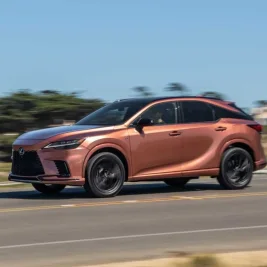
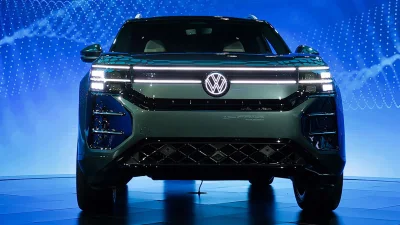
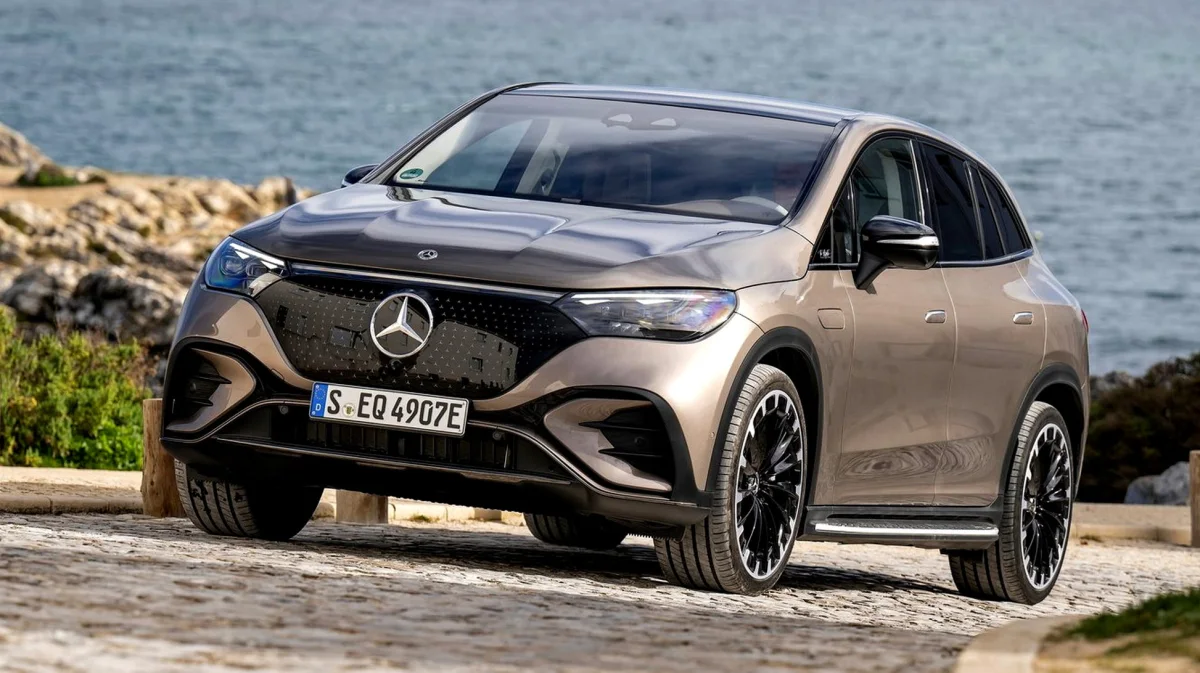
Much of that growth came from larger, more expensive vehicles in the lower-medium, medium, and upper-medium segments.
Buyers shopping for smaller, more affordable EVs still have relatively few choices.
Mini and small cars account for just 14 percent of all battery electric vehicle models on sale.
The findings reflect the German market, where incentives, taxes, and consumer preferences differ from the United States.
However, the report highlights an important reality: falling battery costs don't automatically translate into lower sticker prices.
Sometimes they become longer range, more equipment, or simply more expensive vehicles.