It's this figure that appears on German registration documents, which can explain why the number there looks surprisingly weedy beside the figures you've seen advertised.
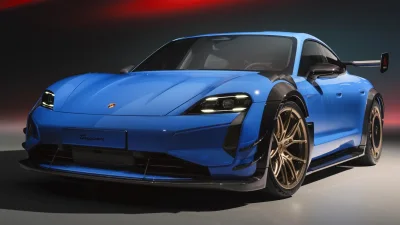
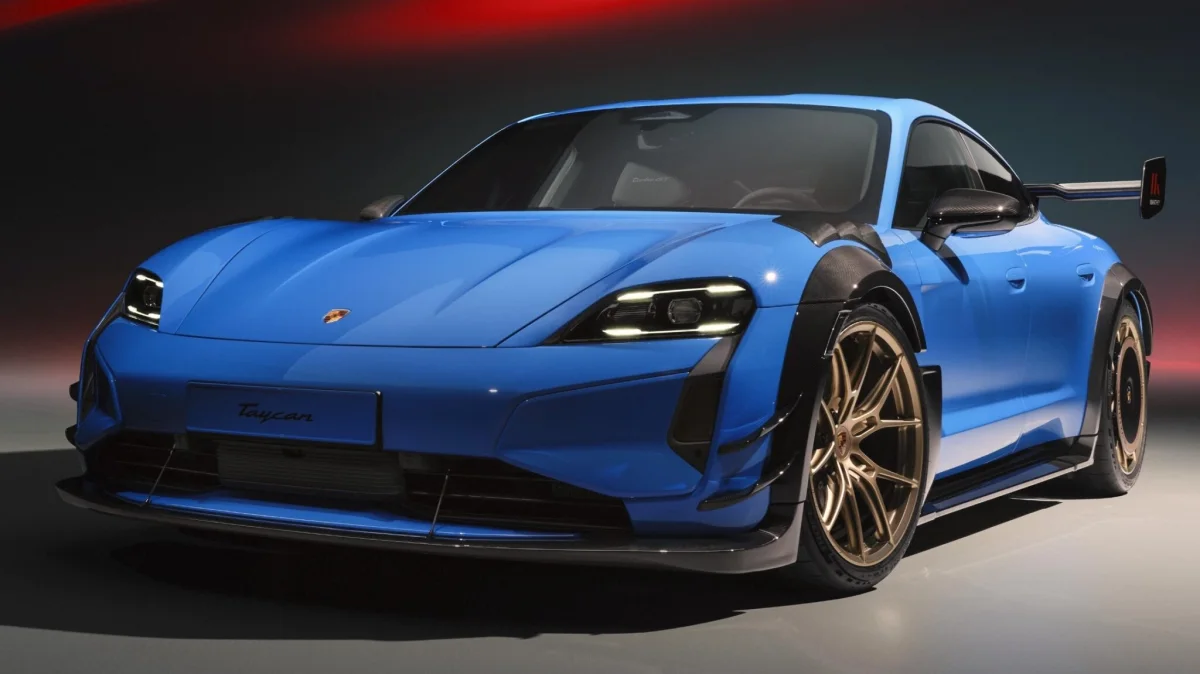
For the Taycan Turbo GT, it's just 220 hp (223 PS / 164 kW).
>>> Ford Replaced Two-Thirds of Leaders After Super Duty Launch Disaster
The Hyundai Ioniq 5 N that brags about 641 hp (650 PS / 478 kW) is listed at 213 hp (216 PS / 159 kW).
Crucially, that doesn't mean an EV will suddenly become a slug after 30 minutes.
It's a standardized regulatory measurement rather than a prediction of precisely what'll happen during your next autobahn blast.
Real-world sustained output varies with speed, ambient temperature, battery charge and thermal management.
Sprint Versus Marathon
So we've potentially got multiple different numbers to get our heads around, and all of them are valid in their own way.
The bottom line is that the headline-grabbing peak power is only fleetingly available.
Much like any fit guy can run a quick 5K, but even an Olympian can't sprint the whole way.
And just like your 5K time, an EV's continuous power output gives you a better idea of how it'll cope over a longer distance, say lugging a big trailer up a long incline.
Petrol Played Games Too
EVs didn't invent temporary horsepower.
Though Auto Motor und Sport contrasts electric cars with petrol ones that it says can deliver their rated power for longer periods, plenty have had overboost features delivering brief performance spikes.