The Strait of Hormuz has become a dangerous maze for commercial shipping after three competing corridors emerged following a ceasefire violation between the United States and Iran.
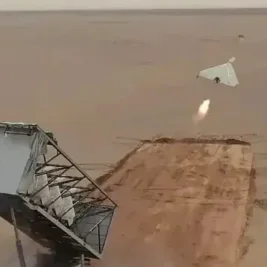
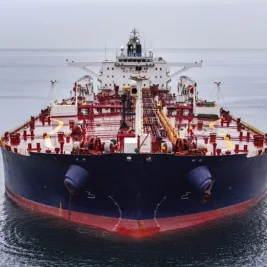
A Singapore-flagged container ship, Ever Lovely, was struck by an Iranian drone, prompting American retaliatory airstrikes on Friday.
The newly formed Persian Gulf Strait Authority, run by Tehran, now demands that vessels complete authorization forms to receive safe passage guarantees.
Meanwhile, alternative routes operate through Omani and central waters, creating confusion for ship operators navigating the 21-mile-wide oil chokepoint.
Iran's Revolutionary Guards issued a maritime warning on Thursday, stating that any vessel transiting without permission or outside the designated route would bear responsibility for consequences.
President Donald Trump called the drone strike a "foolish violation of our Ceasefire Agreement."
The White House downplayed the risk of wider escalation, saying the retaliatory strikes do not signal a return to major combat operations.
Shipping companies face immense operational difficulties due to the lack of clarity on safe transit paths.
"All this is very confusing for safely navigating those waters," said Dimitris Maniatis, CEO of maritime risk consultancy Marisks.
Maniatis noted that firms fear Western sanctions if they comply with Iranian demands, especially regarding potential toll fee payments.
"Global shipping want to avoid dealing with the Iranians because there is a fear that they may run a risk of US sanctions in the future," he added.
The International Maritime Organization halted a coordinated humanitarian evacuation of more than 500 vessels after the strike.
Insurance premiums remain at war-time levels, and companies must declare which corridor they intend to use before entering the waterway.
"This is not back to square one but it makes it very clear that we are still in the 60-day ceasefire rather than an absolute guarantee that the Strait of Hormuz is on a certain path of reopening," said Matthew Wright, Principal Freight Analyst at Kpler.
Wright warned that if disagreements are not resolved by mid-August, the three routes could be used in an even more chaotic manner.