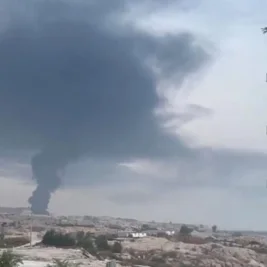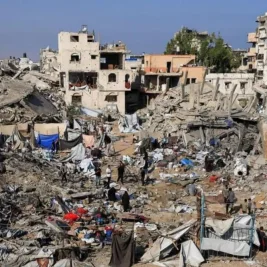
In Baghdad, Iraqi officials held urgent talks with visiting Iranian dignitaries to push for a diplomatic resolution and ensure the safe passage of global energy supplies.
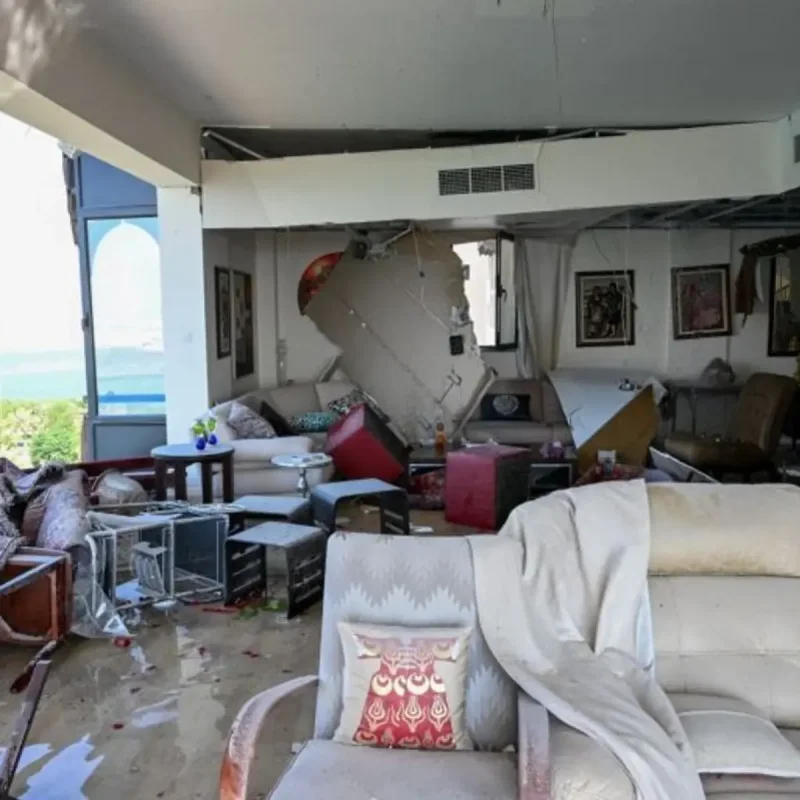
Lebanese Culture Minister Ghassan Salame noted that Israeli military operations targeting suspected Hezbollah assets complicated regional cultural assessments, with extensive infrastructure damage across southern historical sites.
Military analysts noted that political communications remained open via neutral channels to prevent full administrative collapse of the diplomatic accord.
>>> Global Backlash Against Social Media Triggers Massive Tech Resistance
Mohebi posted on X disputing Washington's claims about a direct military hotline, stating, "The Strait of Hormuz is Iranian territory and has no connection to the United States."
American officials previously indicated that informal coordination channels had been established through representatives in Doha to manage ongoing maritime transit arrangements.
Vice President JD Vance stated to UnHerd that Iran agreed to send an IRGC representative to Doha to settle disputes with CENTCOM.
Vance urged Iranian authorities to utilize established political lines rather than kinetic force, posting on X, "If they have disagreements about how the MoU is being applied, they can pick up the phone."
He also stated that "violence will be met with violence."
Shipping Disruptions and Maritime Intelligence
Maritime tracking data from Kpler indicated that 172 vessels have transited the strait since the peace agreement, significantly below the pre-conflict average of 138 daily crossings.
Expert analysts from the Eurasia Group observed that the recent military exchanges represent tactical posturing rather than a complete dissolution of the ceasefire framework.