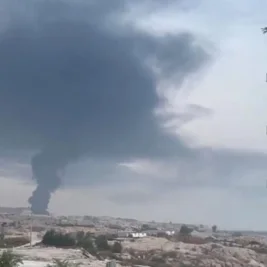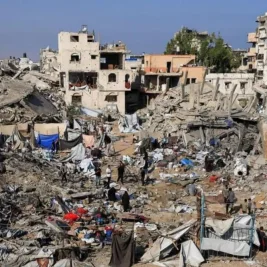
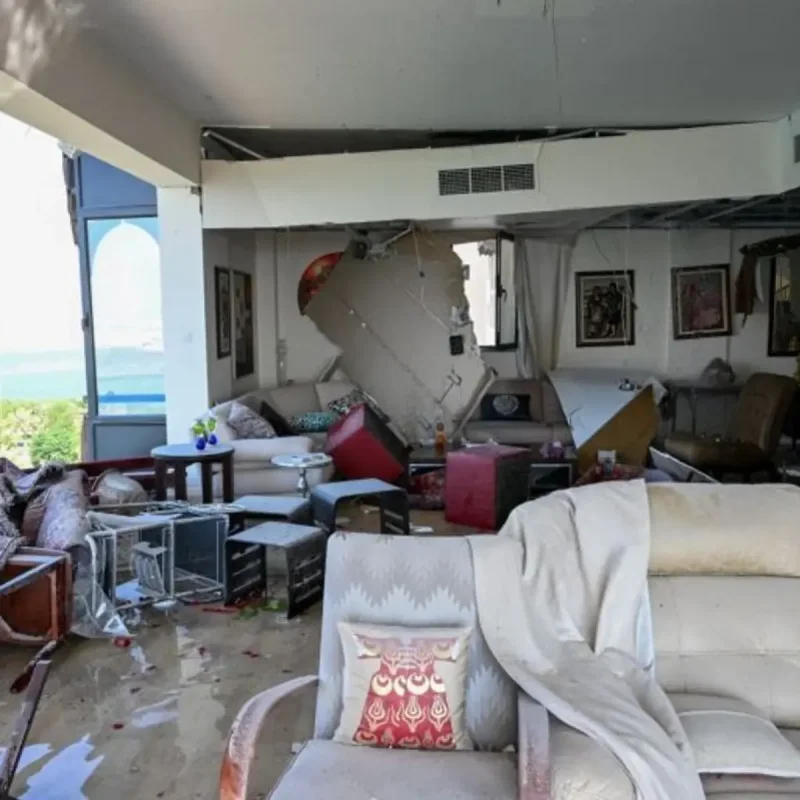
The Islamic Revolutionary Guard Corps claimed responsibility for the retaliatory strikes against US regional interests. It warned of further disruptions to ongoing diplomatic processes.
"Let the enemy know that violating the ceasefire … will lead to a complete halt of ongoing processes," said the IRGC.
Bahrain's Foreign Ministry strongly condemned the strikes, calling them a systematic pattern of repeated aggression against national sovereignty.
Supreme Leader of Iran Mojtaba Khamenei stated: "What is certain is that the criminals must be seized by the collar and made to face the punishment for their criminal acts."
>>> Louth Defeats Monaghan to Reach Historic All-Ireland Semi-Final
Negar Mortazavi, senior fellow at the Center for International Policy, commented on Iran's leverage.
"They are using that leverage to the max and not going back to the status before the war, pretending like no war happened."
"They’re saying they want traffic to go through in coordination with them, and I think they will be able to exert that kind of power," said Mortazavi.
Pro-state political analyst Ali Samadzadeh noted potential cooperation with Russia and China.
"We could do many things with help from Russia and China to damage US strategic equipment in the region like vessels, refuelling aircraft and electronic warfare."
However, Samadzadeh added: "There was no movement in Tehran to tie Beijing and Moscow to the war, and this major flaw exists in the form of the negotiations and the text of the MoU as well."
Pro-state commentator Vahid Ashtari expressed concerns about Iran's military capabilities.